Warehouse use case
Overstock and Understock
Balance your inventory perfectly with AI-driven forecasting to eliminate stockouts, reduce excess inventory, and maximize cash flow.
- Easy setup, no data storage required
- Free forever for core features
- Simple expansion with additional credits
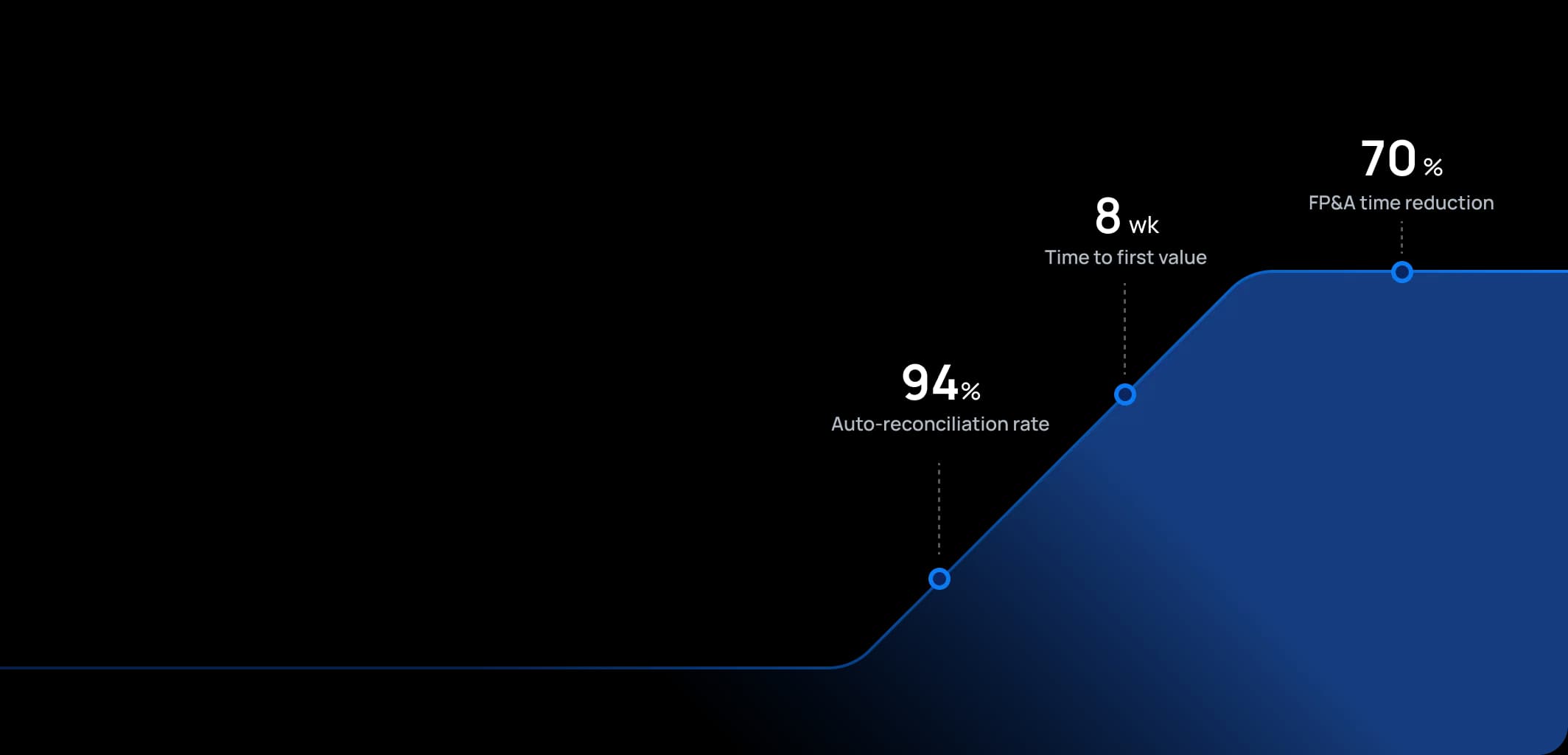
Time to first value
Man-days saved per year
Faster than spreadsheets
Dashboard shown is a conceptual example. Keboola integrates with any BI or analytics platform.
Dashboard shown is a conceptual example. Keboola integrates with any BI or analytics platform.
Overview
What this use case actually does.
Plug into what you already run
Your ERP, CRM, planning tools, warehouse — connected without replacing anything.
Governed, not glued together
Versioned transformations, lineage, and audit trail — every number traces to source.
Live in 8 weeks, owned by your team
Not a black box — your team configures, extends, and runs it from week one.
Balance your inventory perfectly with AI-driven forecasting to eliminate stockouts, reduce excess inventory, and maximize cash flow.
Keboola centralizes your ecommerce and retail data—from sales and ERP to suppliers and marketing. Utilizing advanced AI-driven forecasting and automated replenishment strategies, the usecase prevents costly stockouts and excess inventory accumulation. Designed for Inventory Planners, Category Managers, Supply Chain Executives, and Operations Leaders, Keboola delivers precise, real-time insights that transform reactive inventory management into strategic, proactive decision-making, saving capital, increasing customer satisfaction, and driving operational efficiency.
What Keboola does
What Keboola actually delivers.
No magic, no replatforming. Just connectors, governed transformations, and outputs your team owns from day one.
Real-time Stockout Prevention
Accurately forecast and replenish inventory before products run out, reducing stockouts by up to 30%.
Proactive Overstock Reduction
Quickly identify slow-moving products, decreasing excess inventory by up to 25%.
Automated Replenishment
Implement AI-powered automated reordering based on your specific business logic, eliminating manual, repetitive tasks.
Unified Inventory Visibility
Integrate all inventory, sales, and supplier data into one intuitive dashboard, facilitating informed, agile decision-making.
Connectors
Out of the box. No replacements.
This use case typically uses 9 connectors. Keboola ships 700+ more for the long tail.


Tangible deliverables
What lands in your team's hands.
Each role gets the format and the detail they need — already configured. Not slideware.
Inventory/Demand Planners
Forecast Accuracy (% deviation from actual sales). Service Level (% in-stock). Days of Supply (inventory duration). SKU Turnover Rate
Supply Chain:
Inventory Turnover Ratio. Fill Rate (order fulfillment rate). Inventory Carrying Cost Reduction. Working Capital Efficiency
Operations
Operational Efficiency Gains. Revenue Recovery from Reduced Stockouts. Overall Inventory Cost Reduction. Enhanced Customer Satisfaction Index


Talk to a
real human.
No bots, no SDR call sequence. A solutions engineer who runs use cases like this every single day.
Questions & answers
Things people always ask.
Everything your team, IT, and procurement will want to know — up front.